Building Life Skills & Routines at Home: A Parent's Guide
Struggling with mornings, self-care, or getting your child ready for school? Learn how structured routines build lasting independence.
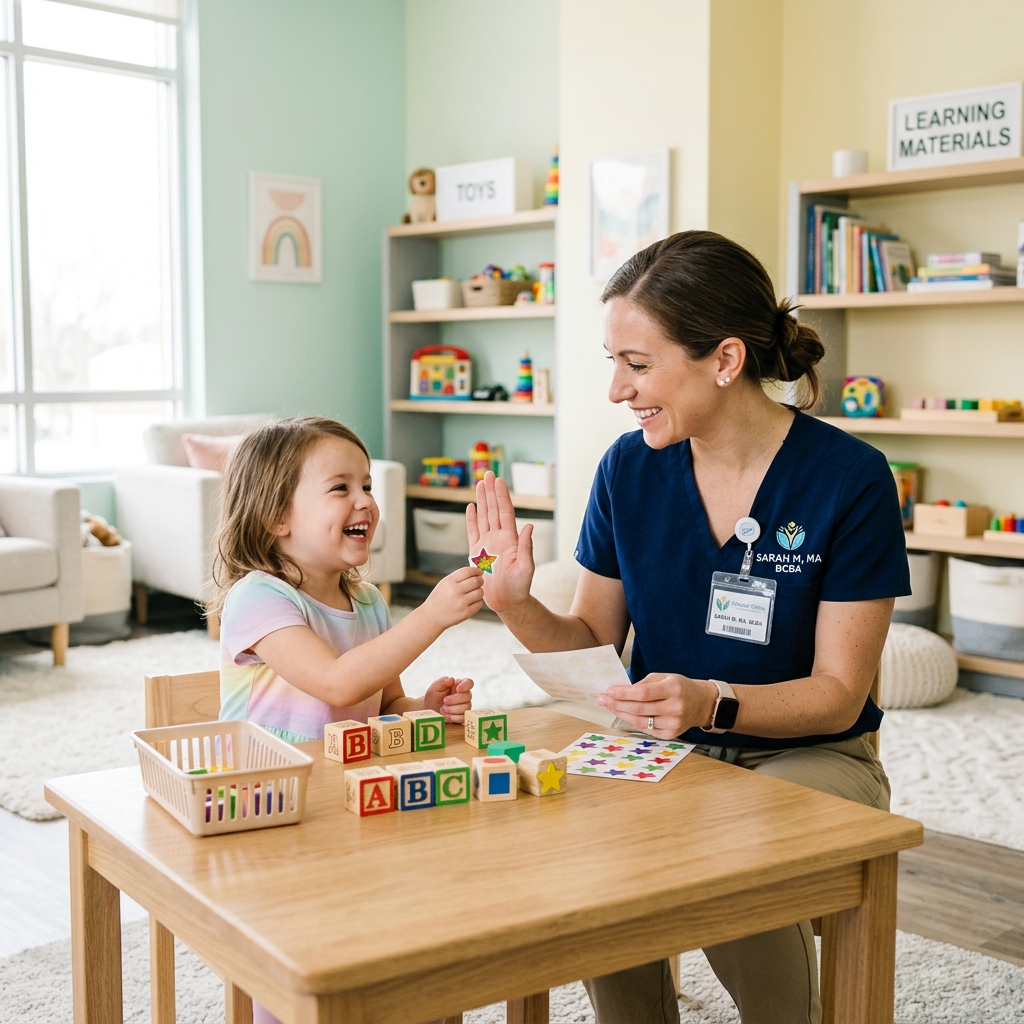
If mornings in your house feel like a battle (getting dressed, brushing teeth, finding shoes, walking out the door on time), you're not alone, and it's not a sign you're doing something wrong. For many children, especially those with autism, ADHD, or developmental delays, the challenge isn't understanding what to do; it's building the consistent, repeatable habits that make daily routines feel automatic instead of exhausting.
This guide covers how life skills and daily routines actually develop, the most common friction points families run into, and practical ways to build lasting independence both at home and heading into the classroom.
Key Article Takeaways
Click item to jump- Automaticity in routines requires explicit teaching, task breakdown, and repetition for children with developmental needs.
- Classroom readiness depends heavily on functional routines (following instructions, transitions) rather than academic skills alone.
- Coordinating routine goals across therapy, home, and school generates faster, more durable independence.
- Our Bradford Life Skills & Routines program provides dedicated local support for Simcoe County families.
Why Daily Routines Are Harder for Some Kids Than Others
For many children, routines like getting dressed or brushing teeth eventually become automatic through repetition and modeling. For children with autism, ADHD, sensory processing differences, or other developmental needs, that same automaticity often doesn't happen the same way. This is not because the child isn't capable, but because the steps involved (sequencing, transitions, sensory tolerance, motor coordination) each require more explicit teaching and more repetition to stick.
This is exactly the gap that structured life skills and routines support is designed to close: breaking a routine into clear, practiced steps rather than expecting it to click all at once. Families looking for localized, structured intervention can access our dedicated Life Skills & Routines program in Bradford.
Common Daily Routine Struggles Families Face
How Structured Routine-Building Actually Works
The most effective approach to building life skills isn't a single conversation or a one-time demonstration; it's a structured process involving a few consistent elements:
Classroom Readiness: Why It's More Than Just Academics
Parents often think of "school readiness" purely in academic terms: letters, numbers, early reading. But a huge part of a child's success in the classroom depends on functional skills that have nothing to do with academic content:
Children who struggle with these functional routines often appear to be "behind" academically, when the underlying challenge is actually about routine and self-regulation, not learning ability. Addressing the routine piece directly often has a bigger impact on classroom success than academic tutoring alone.
How This Connects to Therapy Your Child May Already Be Receiving
Life skills and routines work rarely exists in isolation; it tends to be most effective when it's coordinated with other therapy a child is already receiving:
Practical Tips You Can Start Using at Home
Next Steps
If daily routines have been a consistent source of stress for your family, structured, consistent support can make a real difference. Our team at Hand in Hand Therapy Centre offers a dedicated Life Skills & Routines program in Bradford, coordinated with ABA and occupational therapy when needed.
Frequently Asked Questions
At what age should life skills training start?
There's no fixed starting age. Foundational self-care routines can begin in early childhood, while classroom-readiness and independence skills often become a bigger focus around school entry and through the early school years.
How long does it take to see progress in daily routines?
This varies by child and the specific routine, but most families see meaningful progress with consistent practice over a period of months, with continued refinement over time as routines become more automatic.
Does my child need a diagnosis to get life skills support?
No. While life skills and routines support is often part of a broader autism or developmental program, it can also stand alone for any child who needs extra, structured support building independence.
Can life skills support be combined with ABA or occupational therapy?
Yes, and for many children, that coordination is exactly what makes progress stick, since routine-building goals reinforce (and are reinforced by) behavioural and motor skill work happening elsewhere in the program.
Do you offer this kind of support near Bradford?
Yes, Hand in Hand Therapy Centre's Bradford clinic offers a dedicated Life Skills & Routines program, alongside our Vaughan (Concord) location.
Ready to Book a Speech & Language Consultation?
Connect with our registered Speech-Language Pathologists in Concord (Vaughan) or Bradford today.
Hand In Hand Clinical Team
Pediatric & Life Skills Specialists
Multidisciplinary clinical specialists, BCBAs, speech therapists, and adult day leads at Hand In Hand Therapy Centre (2–18) & The Next Level Adult Day Program (18+) in Concord / Vaughan & Bradford.
Need Help with Speech Therapy Intake?
Connect directly with our admissions team to discuss SLP assessments, OAP funding claims, and consultation dates.
Book ConsultationSpeech Therapy in Vaughan
Explore our dedicated Speech & Language Pathology programs located in Concord (Vaughan) & Bradford.
Visit Vaughan SLP Page